EMS vs CoolSculpting vs HIFU: Clinic Guide - BeauteMed
If you run a MedSPA or aesthetic clinic, you have probably had someone walk in asking about body contouring — and you have probably wondered which machine to buy first.
Three names come up every time: EMS sculpting, CoolSculpting, and HIFU.
They all claim to reshape the body. They all have fans. But they do very different things under the hood. And the machine you choose will shape not just your results. It shapes which patients show up, what you charge, and how many treatments you can run in a day.
I have watched dozens of clinics figure this out. The ones who get it right do not treat these three as competitors. They treat them as instruments, each with a specific job. The trick is knowing which job belongs to which tool and whether you need one, two, or all three.
1. The Basics: How Each Technology Works
EMS (Electrical Muscle Stimulation)
EMS machines, sometimes called HIFEM or muscle sculpting devices, send electromagnetic pulses into the muscle tissue. Those pulses force supramaximal contractions — meaning the muscle contracts harder and faster than anything achievable voluntarily.
What does that do? Two things. It builds muscle mass and density (hypertrophy). And it raises local energy demand to the point where the body starts breaking down fat cells in the same area.
The result is measurable: thicker muscle, less fat in the treatment zone. Studies from the Journal of Drugs in Dermatology (2019) showed an average 16% increase in muscle thickness and 19% reduction in fat layer after four sessions.
EMS is not new technology. Physical therapists have used electrical stimulation for decades. What changed is the intensity. Modern aesthetic EMS machines deliver enough energy to actually reshape the body, not just twitch a muscle.
The full protocol is usually four 30-minute sessions spaced over two to four weeks. No downtime. Patients feel sore the next day — like they did an intense workout. That soreness is the signal that it worked.

CoolSculpting (Cryolipolysis)
CoolSculpting is the brand name for cryolipolysis — controlled cooling that freezes fat cells without damaging the surrounding skin or tissue. The idea comes from a 2008 study published in Lasers in Surgery and Medicine, where researchers noticed children who ate popsicles developed dimples from fat loss in their cheeks.
Fat cells freeze at a higher temperature than skin cells. So by applying precisely controlled cooling, you can kill fat cells while leaving everything else intact. Over the following weeks, the body naturally processes and removes those dead fat cells through the lymphatic system.
Each session takes 35 to 75 minutes depending on the applicator size. Patients sit or lie down while the machine pulls the fat bulge into a cooling cup. It is uncomfortable for the first five to ten minutes. Then numbness sets in.
Results appear gradually over one to three months. Patients typically need one to three sessions per area. The fat cells are gone permanently — they do not grow back.
CoolSculpting targets pinchable fat. Love handles, belly fat, double chin, inner thighs. It does not tighten skin. It does not build muscle. It removes fat in a specific spot.

HIFU (High-Intensity Focused Ultrasound)
HIFU delivers focused ultrasound energy to a precise depth below the skin. Think of it like using a magnifying glass to focus sunlight on a single point — except the point is below the surface.
At the right depth, the ultrasound energy heats tissue to 60-70°C (140-158°F). That destroys fat cells instantly through coagulation necrosis. It also stimulates collagen production in the skin. So you get two effects: fat reduction and skin tightening in one pass.
HIFU machines allow you to adjust the depth. Shallower settings target skin laxity. Deeper settings target subcutaneous fat. A single treatment can reduce the fat layer by 20-30% according to clinical data published in the Journal of Cosmetic and Laser Therapy.
Each session lasts 30 to 90 minutes depending on the treatment area. Most patients need one to three sessions spaced four to six weeks apart. There is immediate tightening sensation, with fat reduction visible over two to three months as the body clears the destroyed cells.
HIFU excels at treating larger areas with thicker fat: abdomen, flanks, thighs, and arms. It also works for non-surgical facelifts and skin tightening on the face and neck.
A common misconception is that HIFU hurts. It does not hurt during the treatment. But some patients report mild tenderness for a few days afterward, similar to post-workout soreness in a specific spot. That tenderness fades within three to five days.

2. EMS vs CoolSculpting vs HIFU: Head-to-Head Comparison
Clinicians ask me for this table all the time. Print it and keep it near your purchasing desk.
| Feature | EMS Sculpting | CoolSculpting | HIFU |
|---|---|---|---|
| Primary mechanism | Muscle contraction | Freezing (cryolipolysis) | Ultrasound heating |
| What it targets | Muscle + overlying fat | Pinchable fat pockets | Deep fat + skin |
| Builds muscle? | Yes (16%+ thickness) | No | No |
| Reduces fat? | Yes (19% layer) | Yes (20-25% per session) | Yes (20-30% layer) |
| Tightens skin? | No | No | Yes |
| Session time | 20-30 minutes | 35-75 minutes | 30-90 minutes |
| Sessions needed | 4 (protocol) | 1-3 per area | 1-3 per area |
| Results timeline | 2-8 weeks | 1-3 months | 2-3 months |
| Downtime | None (soreness) | None (numbness hours) | None (tenderness days) |
| Patient experience | Feels like a workout | Cold sensation then numb | Warmth, mild post-treatment |
| Best for | Muscle definition | Stubborn localized fat | Large area fat + skin laxity |
| Ideal patient | Fit but want definition | Near-target weight, spot fat | Need fat loss + tightening |
| Device cost (USD) | $3,000-$15,000 | $40,000-$120,000+ | $10,000-$35,000 |
| Per-session charge (to patient) | $100-$300 | $600-$1,200 | $300-$800 |
3. Which Technology Delivers Better Results for Your Clinic?
They do different jobs, so the "winner" depends on what walks through your door.
Best for Muscle Building: EMS Wins
If a patient walks in wanting a toned core, lifted glutes, and visible muscle definition — without spending hours at the gym — EMS is your answer.
EMS has no real competitor for muscle building among the three. CoolSculpting and HIFU do not contract muscle. They remove fat. But removing fat without building muscle underneath leaves loose skin in some patients, especially those over forty.
I have seen clinic owners get the best results by pairing EMS with another modality. EMS builds the muscle. CoolSculpting or HIFU removes the overlying fat. The muscle becomes visible underneath.
Best for Stubborn Fat Pockets: CoolSculpting
For the patient who is already at a healthy weight but has that one spot that will not budge — lower belly fat, bra line bulge, inner knee fat — CoolSculpting is the proven solution.
CoolSculpting has the most clinical data behind it. Hundreds of published studies. FDA-cleared since 2010. Patients recognize the brand name. They search for it. They expect it.
The downside is the machine cost. A single CoolSculpting applicator costs more than a whole EMS unit. For a new clinic, this is a real barrier.
Best for Deep Fat Reduction Plus Skin Tightening: HIFU
HIFU fills a gap the other two leave open. EMS does not tighten skin. CoolSculpting does not tighten skin either — and can actually worsen existing skin laxity in older patients because volume reduction without contraction leaves loose tissue.
HIFU tightens as it reduces. That matters for patients in their forties and fifties, whose skin does not snap back the way it used to. It also matters for post-pregnancy patients who want abdominal fat reduction plus tightening in one treatment.
The versatility of HIFU — adjustable depth, interchangeable handpieces, both facial and body applications — makes it a strong first machine for clinics that cannot afford multiple devices.
4. Business Considerations: ROI and Patient Demand
EMS Machines — Affordable Entry with High Utilization
EMS machines are the most affordable body contouring devices on the market. A quality professional-grade unit from BeauteMed starts in the mid four-figure range.
Treatment time is 20-30 minutes per session. That means a single treatment room can cycle through 12 to 16 patients per day. At $150 average per session, the machine pays for itself within the first three months.
The biggest operational challenge with EMS is patient education. Most consumers have heard of CoolSculpting. Very few know what EMS is. You will need to invest in marketing and build before-after proof to create demand. But the clinics that do figure this out enjoy strong margins.
CoolSculpting — High Demand, Higher Investment
CoolSculpting has the strongest brand recognition in body contouring. Patients search for it. Competitors near you almost certainly have one. If you do not, you are sending those patients elsewhere.
The equipment investment is steep. Multiple applicator heads are needed to treat different body areas. Each applicator costs thousands. A fully equipped unit runs $60,000 to $100,000 plus.
Session fees are high — $600 to $1,200 per treatment area — but the machine cost and applicator inventory eat those margins. Average payback period for a CoolSculpting investment is 12 to 18 months at reasonable utilization.
HIFU — Versatile but Competitive Market
HIFU machines sit in the middle of the price range and the middle of the treatment spectrum. A good professional HIFU device handles both body and face applications.
The versatility is the main selling point. One machine generates revenue from face lifts, neck tightening, arm contouring, abdominal reduction, and thigh slimming. That is hard to beat for a clinic starting its body contouring service.
But HIFU is also the most competitive segment. Many manufacturers offer similar devices at similar price points. Your differentiation comes from the machine's reliability, after-sales support, and your marketing.
Why BeauteMed's Bundled Solutions Make Sense
Most clinics cannot afford all three machines at once. But you can start with one and add more as revenue grows.
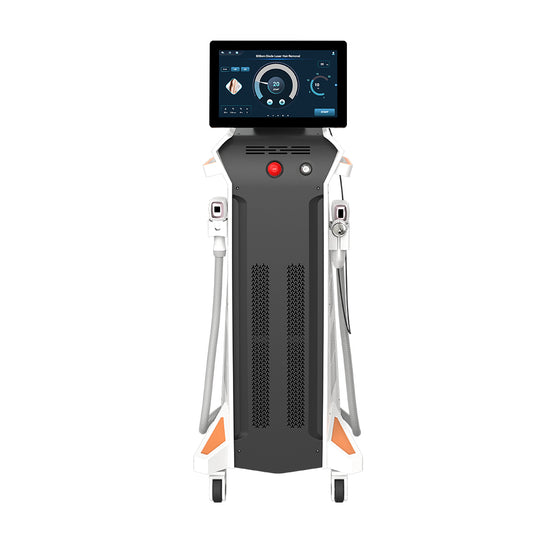
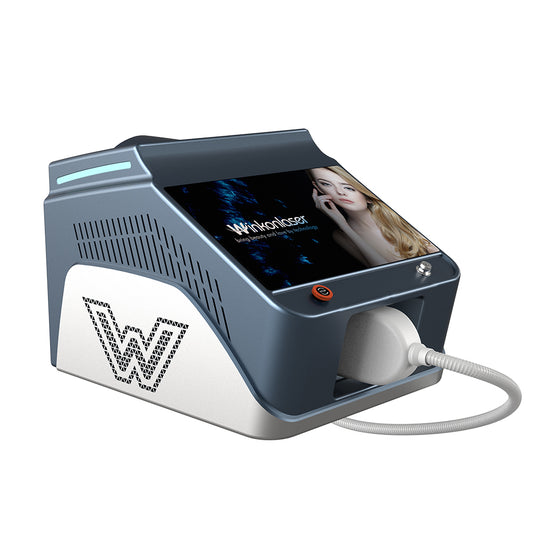
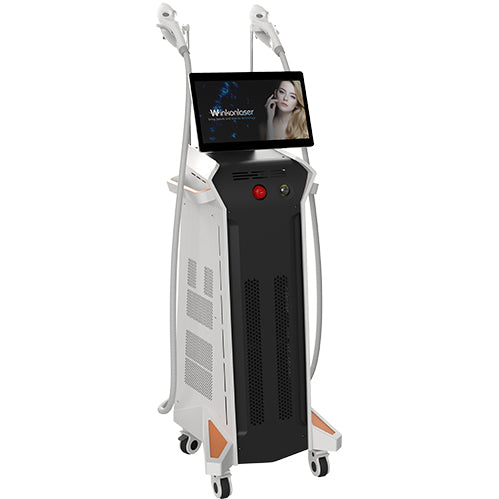
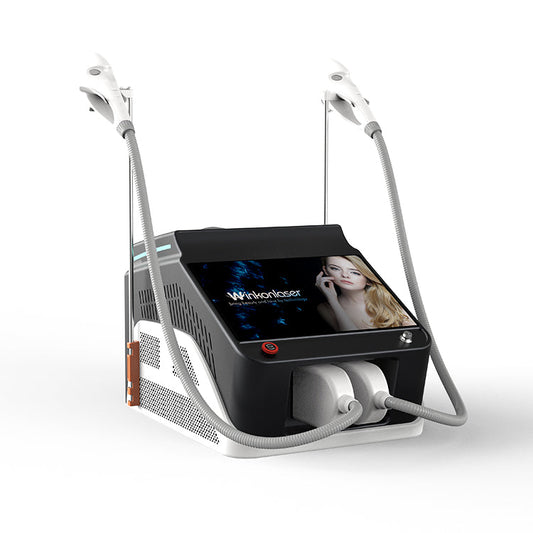
BeauteMed offers bundled equipment packages at /collections/bundles-solution that let you start with an EMS device from /collections/ems-sculpting-machine or a HIFU unit from /collections/hifu-machine, then add complementary machines at preferred pricing. The overseas warehouse in the United States means delivery in 24-48 hours. Every device ships with FDA clearance.
For a new clinic, I recommend starting with either EMS or HIFU — whichever matches your target demographic better — and adding the other modality within six months. The combination of muscle building plus fat reduction plus skin tightening covers 90% of body contouring requests.
5. Combining Technologies for Maximum Revenue
The most successful body contouring practices do not choose one technology. They use multiple modalities on the same patient in a coordinated treatment plan.
This is one treatment flow I have seen work consistently:
- Month 1: Four EMS sessions (two per week, building muscle)
- Month 1-2: One or two HIFU or CoolSculpting sessions (fat reduction)
- Month 3: Maintenance EMS session, results photography
The EMS builds the foundation. The fat reduction modality removes the insulation layer. The muscle becomes visible. The patient sees results at month three that neither technology could produce alone.
This approach also increases your revenue per patient. A single-modality patient might spend $1,200 total. A combination treatment patient spends $2,500 to $4,000. The clinic's cost per session stays the same. The margin grows.
BeauteMed's body contouring collection includes EMS machines, HIFU devices, and multifunctional platforms. If you are looking at expanding your body contouring services, contact them for a consultation tailored to your clinic size and budget. You can reach them at /pages/contact.
6. Frequently Asked Questions
Q: Can EMS replace CoolSculpting?
A: No. They target different tissues. EMS builds muscle and induces some fat breakdown. CoolSculpting freezes and kills fat cells. They work best together, not as substitutes for each other.
Q: Is HIFU better than EMS for fat loss?
A: For pure fat reduction, HIFU is more effective per session. EMS reduces about 19% of the fat layer across a four-session protocol. HIFU reduces 20-30% in one to two sessions. But EMS also builds muscle, which HIFU cannot do. The right choice depends on whether the patient needs definition, fat loss, or both.
Q: How many sessions of HIFU do I need for visible results?
A: Most patients see clear results after one to three sessions spaced four to six weeks apart. The full effect develops over two to three months as the body clears destroyed fat cells and collagen remodeling continues.
Q: Which body contouring machine should I buy first for my new clinic?
A: If your target demographic is younger (20s to 30s, fitness-conscious), start with EMS. If your demographic is 40s to 50s looking for skin tightening plus fat reduction, start with HIFU. If you have $60,000+ equipment budget and strong brand demand in your area, start with CoolSculpting.
Q: Does EMS really build muscle, or is it just marketing?
A: It really builds muscle. Multiple peer-reviewed studies confirm 14-19% increases in muscle thickness after four sessions. The mechanism is supramaximal contraction — the muscle fires at 100% capacity, which is impossible to achieve voluntarily. This is real physiology, not marketing hype.
Q: Can I use HIFU on the face?
A: Yes. HIFU is widely used for non-surgical facelifts and skin tightening. Many clinics use the same machine for both body contouring and facial treatments, making it a versatile single-device investment.
7. Final Verdict
EMS, CoolSculpting, and HIFU each have a place in the modern body contouring clinic.
EMS is the muscle builder. CoolSculpting is the spot fat remover. HIFU is the deep fat reducer that also tightens skin.
If you can only buy one machine today: EMS is the most affordable entry point with the fastest payback. HIFU is the most versatile single machine. CoolSculpting is a proven revenue generator for clinics with established demand and capital.
The clinics that dominate body contouring in their markets are the ones that eventually offer all three. The question is not which one is "best." The question is which one you should add first.
For pricing, specifications, and configuration advice, visit BeauteMed's body contouring collection at /collections/ems-sculpting-machine or contact the team at /pages/contact. US and European customers receive delivery within 24-48 hours from local warehouses, with full FDA and CE certification on all devices.