How to Choose the Right Hair Removal Laser: A Guide from History to Technology
Hair removal has been a part of human grooming for centuries. From ancient Egyptians using sugar-based waxes to the invention of the electric razor in the early 20th century, people have always sought more effective, long-lasting, and comfortable hair removal methods. The real breakthrough, however, came in the 1990s with the commercialization of laser hair removal technology, marking the shift from temporary hair removal to long-term reduction.
Hair removal has been a part of human grooming for centuries. From ancient Egyptians using sugar-based waxes to the invention of the electric razor in the early 20th century, people have always sought more effective, long-lasting, and comfortable hair removal methods. The real breakthrough, however, came in the 1990s with the commercialization of laser hair removal technology, marking the shift from temporary hair removal to long-term reduction.
A Brief History: From Wax to Laser
Hair removal has evolved dramatically over time. Ancient civilizations used pumice stones, tweezers, and early waxes. The 20th century introduced safer razors and epilators, but these methods only offered temporary results. The advent of lasers in the 1990s changed everything. Early lasers like the Ruby laser (694 nm) were effective but limited to light skin and dark hair. Over time, technology advanced, introducing new wavelengths and cooling systems, making laser hair removal safer and more accessible for diverse skin tones.
Now, laser hair removal is one of the most sought-after aesthetic procedures worldwide, thanks to its long-term results and improving patient comfort.

How Laser Hair Removal Works
Laser hair removal relies on the principle of selective photothermolysis. The laser emits a specific wavelength of light that targets melanin (the pigment in hair). The light energy converts to heat, damaging the hair follicle and inhibiting future growth, while sparing the surrounding skin.
Two key wavelengths dominate the market today:
1.755 nm Alexandrite Laser
- Best for light to medium skin tones (Fitzpatrick I–III).
- Highly absorbed by melanin, making it ideal for fine and light-colored hair.
- Offers fast treatment speed due to larger spot sizes and high repetition rates.
2.1064 nm Nd:YAG Laser
- Safe for all skin types, including dark and tanned skin (Fitzpatrick IV–VI).
- Deeper penetration with lower melanin absorption, reducing risk for darker skin.
- Effective for coarse, dark hair and also used for vascular treatments and skin rejuvenation.

Why Dual-Wavelength Systems Are the Future
While single-wavelength devices are still common, dual-wavelength lasers (like the 755 nm + 1064 nm combination) offer unmatched versatility. They allow practitioners to treat a wider range of skin and hair types with a single device, improving clinic efficiency and patient outcomes.
Key Features to Look for in a Professional Laser System
1. Wavelength Flexibility & Safety
A system offering both 755 nm and 1064 nm wavelengths ensures you can treat all skin types—from fair to dark—while minimizing risks like burns or hyperpigmentation. This versatility is essential for building a diverse client base.
2. High and Stable Energy Output
Look for devices capable of delivering consistently high fluence (e.g., up to 110J). High energy ensures effective follicle destruction even for coarse or deep hair. Stability is key—fluctuations in output can compromise results and safety.
3. Adjustable Spot Sizes & High Repetition Rate
Multiple spot sizes (e.g., 3–24 mm) allow efficient treatment of small curves (upper lip) and large areas (legs). A repetition rate of up to 10 Hz dramatically speeds up session time, improving clinic throughput without sacrificing precision.
4. Advanced Cooling for Comfort & Safety
An integrated cooling system—such as contact cooling or cryogen spray—protects the epidermis, reduces pain, and allows higher energy use. Look for systems that synchronize cooling with each laser pulse for optimal patient comfort.
5. Durability, Modularity & Ease of Maintenance
Machines with a modular design simplify repairs and part replacement, reducing downtime. High-quality imported components (laser rods, optical fibers, power supplies) ensure longevity and consistent performance over millions of pulses.
6. User-Friendly Interface & Training Support
An intuitive touchscreen interface with preset protocols helps minimize operator error. Additionally, choose brands that offer comprehensive training and technical support to ensure your team can maximize the device’s potential safely.
7. Multi-Application Capability
Beyond hair removal, many lasers also treat vascular lesions, pigmentation, nail fungus, and offer skin rejuvenation. This versatility increases your return on investment and allows you to offer a wider range of aesthetic services.
8. Energy Efficiency & Low Operating Costs
Modern lasers with efficient power supplies and lamp designs consume less energy and require fewer part replacements, lowering your long-term operational expenses. Systems with high shot counts per lamp reduce consumable costs significantly.
9. Regulatory Compliance & Certification
Ensure the device complies with international safety standards (such as FDA, CE, ISO). Certified devices are rigorously tested for both efficacy and patient safety, reducing legal and operational risks for your practice.
10. Portability & Ergonomic Design
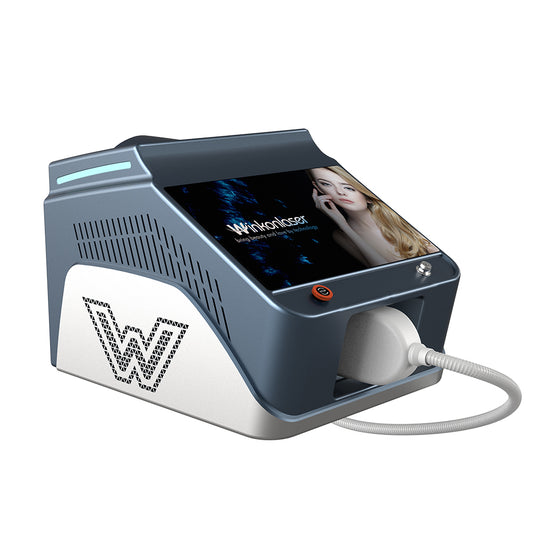
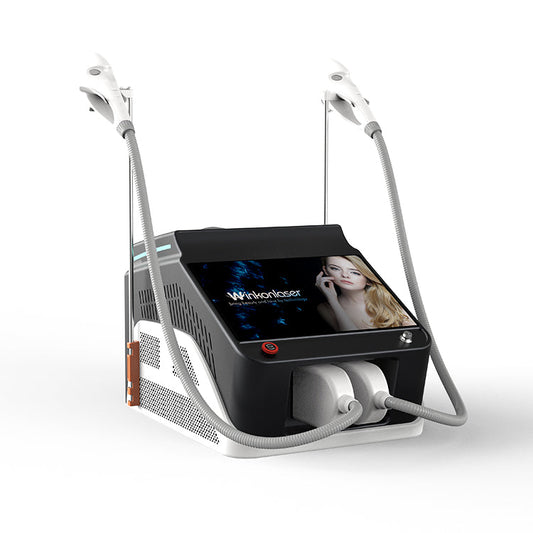
Consider the size, weight, and mobility of the system. Compact, wheeled designs with ergonomic handpieces improve workflow and allow easy movement between treatment rooms, especially in multi-room clinics.
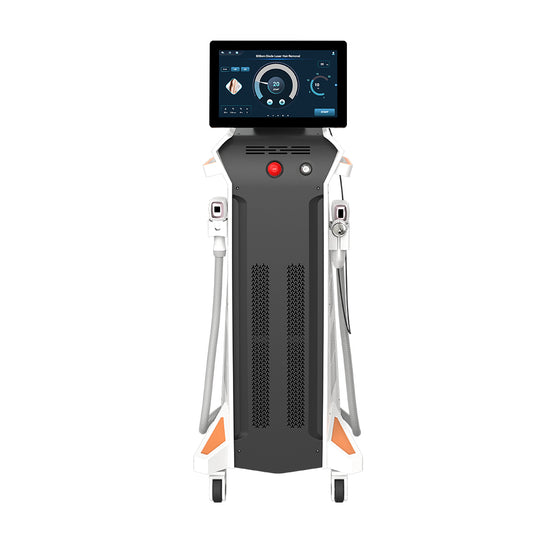
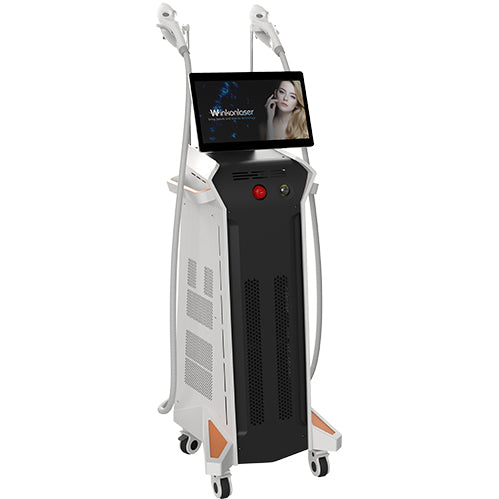
Introducing the CL300 Long Pulse Laser System
For those seeking a professional-grade, versatile, and reliable laser system, the CL300 Long Pulse Laser stands out. Here’s why:
Dual Wavelength Technology: Equipped with both 755 nm Alexandrite and 1064 nm Nd:YAG lasers, it safely and effectively treats all skin types and hair colors.
High Performance: With up to 110J energy output, treatments are faster and more effective than with conventional devices.
Premium Components: Features imported optical fibers (U.S.), xenon lamps (U.K.), ceramic cavities (U.K.), and IGBT modules (Germany) for stability and longevity.
Pain-Free Experience: Integrated skin cooling ensures patient comfort without the need for gels.
Multi-Application Use: Beyond hair removal, it treats vascular lesions, nail fungus, and supports skin rejuvenation.
Easy Maintenance: Modular design allows quick part replacement, minimizing clinic downtime.

Conclusion: Investing in the Right Technology
Choosing the right laser hair removal system is a significant investment. By prioritizing versatility, safety, patient comfort, and long-term reliability, you can enhance your service offerings, attract a broader client base, and achieve better clinical outcomes.
Whether you’re expanding your practice or upgrading your equipment, consider systems like the CL300 that combine advanced technology with practical design—ensuring you stay ahead in the competitive aesthetics industry.
Interested in learning more about the CL300 or scheduling a demo?
Contact us at janebest@winkonlaser.com
Visit Offical Web: www.winkonlaser.com
WhatsApp: +86 15030586598